
Preparing your rental property for tenants means meeting your legal obligations first, protecting your investment, and building a good tenant-landlord relationship from the start. A tension naturally exists between making the home comfortable and spending money on improvements that won’t necessarily raise the rental value. You want to strike the balance that demonstrates you care about the property and the tenant without competing for a spot on Fixer Upper. Nobody’s awarding points for the coolest rental on the block, but a rental that seems like a home can attract great tenants who stay long-term.
A professional property management company can help you decide what to do immediately to comply with housing law, what to plan for to protect your investment, and what upgrades might help raise the rental value in the future.
Meet Your Legal Obligations First
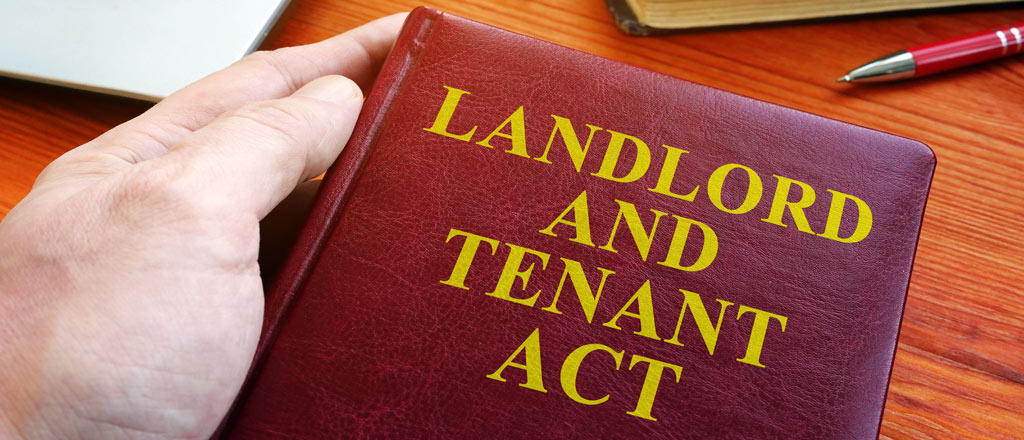
Before worrying about fresh paint or new flooring, make sure the house is safe and habitable. Washington's Residential Landlord-Tenant Act establishes minimum standards for everything from structural repairs to pest control, plumbing, heating, and locks.
Start with this health and safety checklist:
- Test smoke and carbon monoxide detectors.
- Check exterior door locks, windows, stairways, and handrails.
- Inspect the roof, walls, floors, and foundation for leaks or damage.
- Confirm plumbing, hot water, heating, and electrical systems work properly.
- Check supplied appliances and repair anything that isn't functioning.
- Address pest infestations, moisture problems, and other health hazards.
- Make sure the property is weatherproof and structurally sound.
Spokane landlords have additional responsibilities.
Under Spokane Municipal Code 10.57.110, landlords must self-inspect rental units before occupancy and carry out any required habitability repairs. Signing the lease certifies compliance with applicable state and municipal housing codes.
Spokane also adopted a cooling requirement effective September 2, 2026. Rental units within city limits generally must provide adequate cooling equipment for at least one living or sleeping room, subject to applicable exceptions and extensions. New or renewed leases must include the required cooling-related notice.
Get Your Paperwork in Order
If you're collecting a security deposit, Washington law requires a written rental agreement and a move-in condition checklist signed and dated by both parties. Give the tenant a copy and keep the forms for your records.
Other required disclosures may include fire safety information, mold prevention information, and lead-based paint disclosures for most properties built before 1978. For leases entered into after December 31, 2026, Washington also requires written information about flood hazards and insurance.
Spokane requires landlords to retain move-in and move-out inspection records for at least three years. Requirements outside city limits may differ. Among the many benefits of professional property management, clarity and confidence in meeting your legal requirements top the list.
Are you looking for a rental property in Spokane? NuKey Realty & Property Management is here to help!

Protect Your Investment
When you invest in a rental property beyond safety and habitability requirements, aim for improvements that make it feel more like a comfortable home. That doesn't necessarily mean the latest appliances or top-of-the-line finishes. A solid, well-maintained home with reliable systems and a few thoughtful conveniences may be more appealing to tenants than one with trendy upgrades and ongoing maintenance problems.
Routine Maintenance Checklist
- Deep-clean the kitchen, bathrooms, appliances, cabinets, and floors.
- Patch holes, repair wall damage, and repaint where needed.
- Service HVAC equipment and replace filters.
- Check faucets, drains, caulking, and grout for developing problems.
- Clean gutters and check exterior drainage.
- Repair damaged doors, screens, cabinets, and fixtures.
- Tidy landscaping and address damaged walkways or fencing.
One landlord who owns several rental homes said the most common repair he makes between tenants is filling holes in the walls. It's ordinary work, but it's part of making the house ready for someone new. He also recommended providing basic patching materials to any tenants who want to make their own repairs before moving out.
Routine maintenance also prevents more expensive repairs. A small leak under the sink is considerably easier to deal with than the water damage that might result from ignoring it. See our home maintenance checklist for a thorough list.
Decide Which Improvements Are Worth the Money
How much should you invest between tenants? That depends on the local rental market, but also on the house itself. That same landlord as above told the story of two houses that could really use a second bathroom. In one, a closet could be converted without major construction. He plans to make that improvement. The other house would require an addition, and he doubts he'd recover that cost over the long run. Both houses have the same drawback, but the cost of solving it makes one feasible and the other a stretch.
Before committing to an upgrade, consider how much it will cost, whether it will make the home easier to rent, and how long construction might keep the property vacant. NuKey Realty's property management packages include rental rate analysis and recommendations for improving a property's rentability.
Keep tax implications in mind, too. Qualifying repairs and maintenance are generally deductible rental expenses, while capital improvements usually must be depreciated. IRS Publication 527 explains the distinction.

Give the Tenancy a Good Beginning
When you show that you care about the property, your tenant is more likely to care about it, too. And when you show you care about the tenant, you give them a reason to take pride in the place they live.
One landlord we spoke with said that, in ten years of owning investment properties, he’d discovered quality communication matters almost more than anything else. He wants tenants to feel comfortable reporting problems and suggesting improvements. He's even willing to pay for materials when they want to take on an approved project themselves.
Recently, a new first-time tenant asked her landlord about planting flower beds. The yard had been a little neglected, so he welcomed the idea and offered to pay for the materials. The tenant gets a garden to enjoy, and the property benefits from the improvement.
Of course, landlords and tenants should agree in writing before making changes. Required maintenance remains the landlord's responsibility. But communication like this can help build a cooperative relationship. It can also help landlords catch small problems before they become expensive ones.
Final Move-In Checklist
- Complete a final inspection and photograph the property's condition.
- Complete the move-in condition report and provide the tenant with a signed copy.
- Prepare keys, garage door openers, and access codes.
- Explain utility arrangements, parking, trash collection, and property rules.
- Supply contact information and instructions for reporting maintenance issues, including emergencies.
- Confirm all promised repairs are finished, and the property is clean and ready for occupancy.
The move-in condition report is particularly important. A detailed written record and photographs help establish the property's condition and can prevent later disagreements over damage and security deposits. NuKey Realty & Property Management offers electronically signed, photo-documented move-in condition reports as part of its services, one of the pros of choosing a property management company vs. self-managing.
Looking for investment properties in Spokane? NuKey Realty can help you manage them!

Make It a Home, Not Just a Rental
Landlords often tell us their biggest challenge is finding tenants. Having a house sit empty is expensive, so they’d prefer people stay long-term. Making a house feel like a home is part of accomplishing that.
Along with all the practical reasons for preparing your property, you're providing someone with a place to live. Meeting the legal requirements is the starting point but not necessarily the standard to aim for.
Preparing a rental property is step one in a good tenant-landlord relationship. It's an opportunity to protect your investment while providing someone with a quality home. If you’re looking for a partner with extensive property management experience, contact NuKey Realty & Property Management to discuss your options.